Best ARPG Games on PC Under $20 – Budget Picks for 2025
Best ARPG games under 20 dollars proves that you don’t need to spend $60+ to experience world-class action RPG gaming. Some of the most critically acclaimed and community-beloved ARPGs are available for a fraction of AAA prices. In 2025, PC gaming offers unprecedented value—you can build a deep ARPG collection with less than the cost of a single full-price game.
This guide reveals the absolute best budget ARPG games on PC, all available for under $20. These aren’t compromises or “good for the price”—many of these games rival or exceed full-price releases in quality, depth, and community engagement. Whether you’re a newcomer exploring the genre or a veteran looking to expand your library affordably, these picks deliver exceptional value.
Why Budget ARPGs Offer Exceptional Value
Action RPGs under $20 often come from indie developers or established studios releasing older titles at discount prices. This has created a golden era of affordable gaming where budget doesn’t mean budget quality.
What You Get at Budget Prices:
- 40-100+ hours of gameplay (often more with replays)
- Deep character progression systems
- Complex combat mechanics rewarding skill mastery
- Active communities with guides, wikis, and social interaction
- Mod support on many titles (extending lifespan indefinitely)
- Frequent sales reducing prices even further ($5-$10 during seasonal discounts)
Modern ARPGs prove that production budget doesn’t determine quality. A $15 indie ARPG can deliver more engaging combat than a $70 AAA title. Smart purchasing and patience (waiting for sales) means building an incredible ARPG library for under $100 total.
Grim Dawn – The Ultimate Budget ARPG Value
Grim Dawn regularly sells for $15-$25 and is objectively one of the best ARPGs ever made. It’s a spiritual successor to Diablo 2, featuring incredible depth at a fraction of AAA prices:
- Dual-class mastery system (combining two of 6 classes = 36 possible builds, each viable for endgame)
- 200+ unique legendary items with meaningful stat differences
- Three campaigns (Normal, Elite, Ultimate) with scaling difficulty and new monster types
- 50+ hours per playthrough (100+ for completionists hunting gear and perfecting builds)
- Active modding community extending gameplay indefinitely with balance tweaks and new content
- Zero pay-to-win mechanics or battle pass nonsense—cosmetics only
- Cross-platform support (Steam, GOG, console versions available)
- Offline play supported (no DRM concerns if servers shut down)
Grim Dawn costs $25 at full price and regularly drops to $15-$20 during sales. For the value delivered—hundreds of hours of engaging gameplay, a thriving community despite no live service support, and consistently praised game design—it’s arguably the best ARPG purchase possible on any budget. The community remains vibrant 10+ years after launch—that’s the mark of genuinely excellent game design transcending temporary trends.
The depth rivals games costing $60+. Two players might have completely different experiences due to the build variety alone. One plays a fire-based dual-wielding blademaster; another plays a summoner commanding minions. Both experience unique mechanics, loot priorities, and skill rotations. That diversity justifies the price immediately.
For comprehensive guidance on Grim Dawn, check our Grim Dawn beginner builds guide which walks you through class selection, early progression, and avoiding common newbie mistakes that slow advancement.
Path of Exile – Free with Optional $20 Investment
Path of Exile is technically free-to-play, but spending $15-$20 on cosmetics and quality-of-life features is recommended for best experience. As an ARPG, it’s extraordinary and arguably the most complex ARPG available:
- 100+ unique items creating build diversity (some enable entire playstyles)
- Passive tree with 1000+ nodes for extreme character customization
- New league/season every 3-4 months with fresh content and mechanics
- Challenging endgame content (harder than most ARPGs, requiring skill mastery)
- Zero pay-to-win (cosmetics only; no stat advantages purchasable)
- Massive active community with thousands playing daily, wikis, build guides, and economy trading
- Trading system creating economy depth (farming and trading can become secondary gameplay)
PoE’s learning curve is steep—expect 50+ hours before understanding endgame mechanics fully. But that’s part of its appeal—mastery feels genuinely earned through time and study. Spending $20 on quality-of-life features (inventory tabs for storing gear, stash tabs for organization) significantly improves experience compared to pure free play. Without these QoL purchases, inventory management becomes tedious rather than engaging.
The free-to-play model respects player time: you can compete in endgame without spending money, though QoL purchases make the grind less frustrating. Most long-term players eventually spend $20-$50 on convenience features, making it functionally a $20 game that respects broke players’ agency.
Last Epoch – Modern ARPG Under $30
Last Epoch launched in Early Access at $25 and offers incredible depth:
- Melee, ranged, and spell damage options
- 25+ unique abilities per class with modifier combinations
- Passive skill tree rivaling PoE in complexity
- Endgame scaling (waves increase indefinitely)
- Active development with regular balance patches
- Community-driven economy and trading
At $25-$30, Last Epoch represents the modern indie ARPG standard. It’s a complete, polished experience with decades of content ahead for active players.
Diablo 2: Resurrected – Timeless Classic at Budget Price
Diablo 2 is the ARPG that defined the entire genre. Resurrected (remaster) costs $40 at launch but drops to $20-$30 regularly:
- 20+ year old game still considered the gold standard
- 7 unique classes with distinct playstyles
- Endless replayability through randomized dungeons
- Trading economy keeps markets active
- Mod support through custom servers
- Learning this game teaches ARPG fundamentals
If you’ve never played Diablo 2, Resurrected is essential education. It literally invented the template every modern ARPG follows. At $20-$30 on sale, it’s a bargain for understanding ARPG history and mechanics.
Torchlight II – Underrated Budget Gem
Torchlight II costs $15-$20 and delivers:
- 4 distinct classes with unique progression
- Randomized dungeons preventing repetition
- Fishing mini-game (surprisingly engaging)
- Pet companion system (functional and charming)
- Mod support extending gameplay
- Solo play or co-op multiplayer
Torchlight II is often overshadowed by bigger titles, but it’s criminally underrated. For $15-$20, you get a full ARPG experience with personality and charm. Perfect entry point for ARPG newcomers.
Van Helsing Series – Creative Budget ARPGs
Van Helsing games (1-5) typically cost $10-$20 and feature:
- Gothic monster-hunting setting (unique theme)
- Skill-based progression (not just stat growth)
- Pet/companion system (functional in combat)
- Co-op multiplayer
- Shorter campaigns (20-30 hours) than competitors
Van Helsing isn’t trying to be Diablo or PoE—it’s charming and straightforward. Perfect for casual ARPG fans who want solid gameplay without overwhelm. At $10-$15 on sale, it’s fantastic value.
Building Your Budget ARPG Library
Three-Game Starter Pack (~$45-$60):
- Grim Dawn ($15-$20) — Deep class system, mastery of fundamentals
- Path of Exile ($0-$20 investment) — Free with optional cosmetics, endless endgame
- Last Epoch ($25-$30) — Modern ARPG with fresh mechanics
This trio gives you 200+ hours of gameplay representing three distinct ARPG philosophies. You’ll have tested isometric Diablo-style (Grim Dawn), modern online ARPG (PoE), and next-gen indie standards (Last Epoch).
The Extended Collection (~$80-$100):
Add Torchlight II ($15), Van Helsing ($10-$15), Diablo 2 Resurrected ($20-$30 on sale), and you’ve built a diversified ARPG library spanning multiple decades and styles.
Equipment for Budget ARPG Gaming
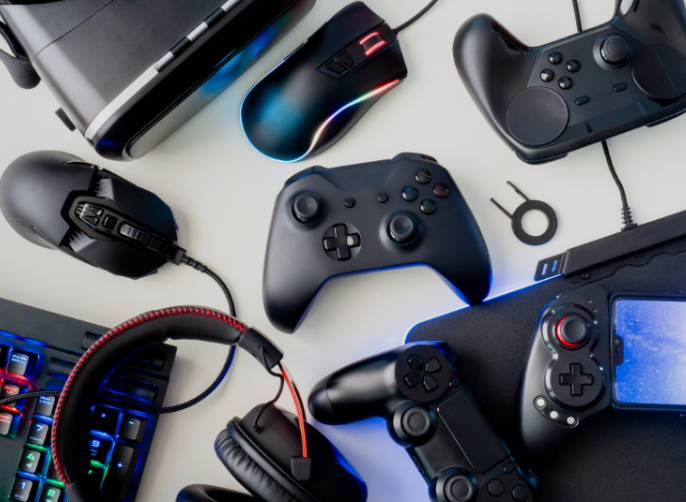
Budget ARPGs don’t require premium hardware, but responsive peripherals improve enjoyment. Consider these budget-friendly options:
Budget Gaming Mouse: The 👉 Logitech G PRO X SUPERLIGHT 2 ($50-$70) is precision-focused and perfect for ARPG clicking. Alternatively, the 👉 Logitech G502 X PLUS ($30-$50) offers excellent value with customizable weights.
For budget-conscious players, the 👉 Razer DeathAdder V3 ($40-$70) balances price and performance beautifully. Its ergonomic shape suits marathon ARPG sessions.
Budget Gaming Keyboard: The 👉 Razer Ornata V3 TKL ($50-$80) delivers mechanical switches at reasonable cost with TKL form factor perfect for tight desks. Alternatively, the 👉 Corsair K70 MAX RGB ($90-$130) offers programmable keys perfect for ability hotbars and macro execution. For pure ARPG play (no competitive gaming), $50 keyboards work fine—it’s the mouse precision that matters.
Budget Gaming Headset: The 👉 HyperX Cloud III ($80-$130) offers wireless reliability and comfort for marathon sessions. The 👉 SteelSeries Arctis Nova 7 ($150-$180) is premium but worth the investment for padding quality during 8+ hour play sessions. For budget builds, basic USB headsets ($20-$40) work functionally fine—game audio matters less in solo ARPGs than competitive shooters where positional audio determines victory. Comfort matters more than audio fidelity.
Budget Monitor: ARPGs don’t require high refresh rates since they’re not competitive games. A basic 60Hz 24-27″ monitor ($150-$250) is perfectly adequate. The 👉 Razer Huntsman V2 keyboard mentioned above pairs nicely with standard displays for an affordable, coherent gaming setup.
Where to Find These Games at Budget Prices
Steam Sales: Winter, Summer, and Autumn sales cut 40-80% off prices. Setting wishlist alerts prevents missing deals.
Humble Bundle: Regular bundles feature ARPGs at 70-90% discounts. Subscribe to newsletter for deal alerts.
GOG Galaxy: Older ARPG titles often available cheaper (DRM-free). Regular sales on legacy titles.
Regional Pricing: Some regions (Russia, India, Brazil) have significantly lower prices due to local economics. Using VPN to purchase isn’t ethical, but awareness of pricing variance is useful for understanding market economics.
Developer Sales: Many indie ARPG developers run direct sales on their websites, undercutting Steam prices and supporting creators directly.
ARPG Genre Overview: Understanding What You’re Buying
New to ARPGs? Understand the core appeal: ARPGs focus on character progression, rewarding skill mastery, and endless replayability through randomization and difficulty scaling.
Unlike action games rewarding reflexes alone, ARPGs reward character building (stat allocation, gear selection, skill choices) combined with player skill. This creates depth that keeps communities engaged for years.
Check our free ARPG games guide for more budget options, and our gaming mouse recommendations for peripherals optimized for ARPG clicking.
FAQ: Budget ARPG Questions
Are budget ARPGs actually good or just cheap?
Many budget ARPGs are excellent and rival or exceed full-price games in quality. Grim Dawn, Path of Exile, and Last Epoch are considered among the best ARPGs ever made. Budget doesn’t mean compromised—indie developers often create deeper games than AAA studios with massive budgets.
How many hours of gameplay can I expect from a $20 ARPG?
Typically 40-150+ hours depending on the game and playstyle. Most budget ARPGs are designed for replaying on harder difficulties, so a single playthrough might be 30-40 hours, but building multiple character types extends that to 100+ hours easily. Some players report 500+ hours in single titles.
Are budget ARPGs pay-to-win?
Most indie/budget ARPGs are completely fair. They avoid pay-to-win mechanics because that would destroy their communities. Monetization typically comes from cosmetics (cosmetic-only) or premium editions with extra content. Path of Exile, Grim Dawn, and Last Epoch all maintain integrity against pay-to-win temptation.
Which budget ARPG is best for beginners?
Grim Dawn or Torchlight II. Both have straightforward progression and forgiving difficulty curves. Grim Dawn has the deepest systems but remains approachable. Torchlight II is simpler but still offers depth. Avoid Path of Exile and Last Epoch initially—their learning curves are steep. Once comfortable with fundamentals, branch out to complex systems.
Can I play budget ARPGs solo or do they require multiplayer?
All the budget ARPGs mentioned support solo play. Some offer optional multiplayer, but it’s never required. Single-player ARPGs offer full content and progression without touching multiplayer. Choose solo if you prefer uninterrupted pacing and difficulty control; multiplayer is available if you want group content later.
Building Your Collection: Start Today
Budget ARPG gaming is the absolute best time to be an ARPG fan. Steam seasonal sales and bundle deals mean you can build a library of 5-10 exceptional games for $50-$100 total. Compare that to one new AAA game at $70, and the value proposition is undeniable. You’re getting 10x the content for comparable cost.
Start with Grim Dawn ($15-$20 on sale). Play for 30-40 hours across multiple difficulty modes, understand the genre’s fundamentals, then expand to Path of Exile (free) or Last Epoch ($25). Within a month, you’ll have invested $40-$60 and accumulated 100+ hours of engaging gameplay with communities still active years after launch.
The ARPG genre rewards investment and patience. Budget games prove conclusively that premium pricing doesn’t guarantee quality. Sometimes the best gaming experiences cost $15 instead of $70. The games listed here aren’t compromises—they’re legitimately excellent ARPGs that happen to be affordable. This year, prove it to yourself by trying one. Your gaming library (and wallet) will thank you.